• Zur Hauptnavigation springen
  • Zum Inhalt springen
  • Zur Fußzeile springen

SozTheo

Sociology & Criminology for a Changing World

  • Sociology
    • Theories
    • Key Works in Sociology
    • Key Concepts in Sociology
  • Criminology
    • Key Works in Criminology
    • Key Concepts in Criminology
  • Theories of Crime
    • Classical and Rational Choice Theories of Crime
    • Biological Theories of Crime
    • Social Structure & Anomie
    • Learning and Career
    • Interactionist & Labeling
    • Critical, Marxist & Conflict Theories
    • Control Theories
    • Cultural & Emotional
    • Space & Surveillance
  • Key Thinkers
  • Glossary
Home » Developmental criminology

Developmental criminology

Black-and-white photo of a group of young men socializing on a street at night near a phone booth, illustrating peer interaction and informal social environments relevant to learning and career theories in criminology.

Learning and Career

Theories in this category—often referred to as developmental theories—share the assumption that crime is best understood as a processual phenomenon, not as isolated acts. They introduce the variable of time as a crucial dimension for understanding why people become involved in crime, why they persist, and why they desist. Developmental perspectives emphasize that criminal behavior

continue …

Age Graded Theory/ Turning Points (Sampson and Laub)

Turning Point Theory, also known as the Age-Graded Life-Course Theory of Crime, was developed by Robert J. Sampson and John H. Laub. This influential approach in developmental criminology argues that criminal behaviour is not static over the life course. Instead, it can change in response to key life events or turning points that strengthen or

continue …

Black-and-white image of a person standing at a fork in a forest path, symbolizing different life trajectories and developmental pathways in Moffitt’s Two-Path Theory of crime.

Two-Path-Theory (Moffitt)

Moffitt’s Two-Path Theory explains criminal behavior by distinguishing between two developmental trajectories: adolescence-limited offending and life-course persistent offending. The theory is based on longitudinal research, particularly the Dunedin Study, which tracked individuals over time to identify patterns of offending across the life course. Key Points Two-Path Theory Main Proponent: Terrie E. Moffitt First Formulation: Early

continue …

Multiple factor approach

Multiple factor approach by Sheldon Glueck & Eleanor Turoff Glueck

What is the Multiple Factor Approach? The Multiple Factor Approach explains crime as the result of the combined influence of multiple social, psychological, and biological risk factors. Rather than attributing delinquency to a single cause, it emphasizes cumulative and probabilistic causation. This perspective rejects one-sided explanations such as biological determinism or purely social causation. Instead,

continue …

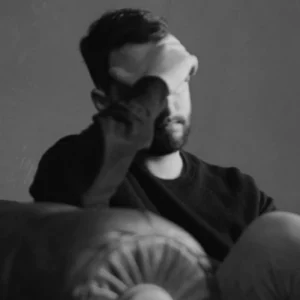
Young man sitting alone on a couch holding his head, expressing stress, frustration, and emotional strain related to General Strain Theory in criminology.

General Strain Theory (Agnew)

Robert Agnew’s General Strain Theory (GST) explains crime as a response to strainful experiences that generate negative emotions such as anger and frustration. It extends classical anomie and strain theories by broadening the range of sources of strain and by offering a more nuanced, psychologically informed explanation of how strain leads to crime. While Merton’s

continue …

Black-and-white illustration of DNA strands, representing genetic influences and biological foundations in theories of crime.

Biological theories of crime

Biological theories of crime explain criminal behavior by reference to genetic, neurological, and physiological factors. These approaches focus on individual predispositions and biological processes that may increase the likelihood of offending. In contrast to sociological theories that emphasize social structures and cultural norms, biological approaches highlight internal characteristics of the individual. Modern perspectives increasingly adopt

continue …

Footer

About SozTheo

SozTheo is a personal academic project by Prof. Dr. Christian Wickert.

The content does not reflect the official views or curricula of HSPV NRW.

SozTheo.com offers clear, accessible introductions to sociology and criminology. Covering key theories, classic works, and essential concepts, it is designed for students, educators, and anyone curious about social science and crime. Discover easy-to-understand explanations and critical perspectives on the social world.

Looking for the German version? Visit soztheo.de

Legal

  • Impressum

Explore

  • Sociology
    • Key Works in Sociology
    • Key Concepts in Sociology
  • Criminology
    • Key Works in Criminology
    • Key Concepts in Criminology
  • Theories of Crime
  • Key Thinkers
  • Glossary

Meta

  • Anmelden
  • Feed der Einträge
  • Kommentar-Feed
  • WordPress.org

© 2026 · SozTheo · Admin