• Zur Hauptnavigation springen
  • Zum Inhalt springen
  • Zur Fußzeile springen

SozTheo

Sociology & Criminology for a Changing World

  • Sociology
    • Theories
    • Key Works in Sociology
    • Key Concepts in Sociology
  • Criminology
    • Key Works in Criminology
    • Key Concepts in Criminology
  • Theories of Crime
    • Classical and Rational Choice Theories of Crime
    • Biological Theories of Crime
    • Social Structure & Anomie
    • Learning and Career
    • Interactionist & Labeling
    • Critical, Marxist & Conflict Theories
    • Control Theories
    • Cultural & Emotional
    • Space & Surveillance
  • Key Thinkers
  • Glossary
Home » Criminology » Theories of Crime » Seite 9

Theories of Crime

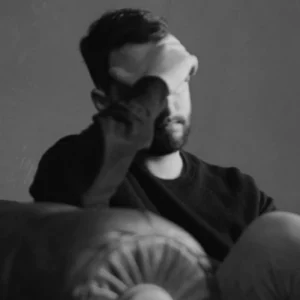
Young man sitting alone on a couch holding his head, expressing stress, frustration, and emotional strain related to General Strain Theory in criminology.

General Strain Theory (Agnew)

Robert Agnew’s General Strain Theory (GST) explains crime as a response to strainful experiences that generate negative emotions such as anger and frustration. It extends classical anomie and strain theories by broadening the range of sources of strain and by offering a more nuanced, psychologically informed explanation of how strain leads to crime. While Merton’s

continue …

Anomie theory (Merton)

Robert K. Merton’s Anomie Theory expands Émile Durkheim’s concept of anomie by linking deviant behavior to structural inequalities in access to culturally approved goals. First systematically developed in Social Structure and Anomie (1938/1949), the theory explains crime as a socially structured adaptation to blocked opportunities rather than individual pathology. Merton argues that when culturally valued

continue …

Sanctioning

Theories of sanctioning are developments from labeling theories. In contrast to labeling or deterrence theories, sanctioning theories assume that punishment can have different effects in different contexts. Theories of sanctioning examine the effect of punishment. As a further development of labelling approaches, their main focus is on the re-integrating function of penalties. On the basis

continue …

Black-and-white illustration of DNA strands, representing genetic influences and biological foundations in theories of crime.

Biological theories of crime

Biological theories of crime explain criminal behavior by reference to genetic, neurological, and physiological factors. These approaches focus on individual predispositions and biological processes that may increase the likelihood of offending. In contrast to sociological theories that emphasize social structures and cultural norms, biological approaches highlight internal characteristics of the individual. Modern perspectives increasingly adopt

continue …

Concept of Anomie (Durkheim)

Anomie is one of the most influential concepts in classical sociology and a foundational theory for understanding the relationship between social structure and crime. Émile Durkheim’s concept of anomie describes a condition of social disintegration that emerges during periods of profound structural change, such as industrialization and the rise of the division of labour. In

continue …

konzentisches Zonenmodell

Social disorganization theory (Shaw & McKay)

Social disorganization theory assumes that crime rates are constant in areas with certain environmental conditions, such as high unemployment, population fluctuation or material decay. Such conditions prevent social organization and cohesion in the neighbourhood and thus informal social control of delinquency. Once crime is widespread, criminal norms and values that compete with normative values are

continue …

Seitennummerierung der Beiträge

« Previous 1 … 7 8 9

Footer

About SozTheo

SozTheo is a personal academic project by Prof. Dr. Christian Wickert.

The content does not reflect the official views or curricula of HSPV NRW.

SozTheo.com offers clear, accessible introductions to sociology and criminology. Covering key theories, classic works, and essential concepts, it is designed for students, educators, and anyone curious about social science and crime. Discover easy-to-understand explanations and critical perspectives on the social world.

Looking for the German version? Visit soztheo.de

Legal

  • Impressum

Explore

  • Sociology
    • Key Works in Sociology
    • Key Concepts in Sociology
  • Criminology
    • Key Works in Criminology
    • Key Concepts in Criminology
  • Theories of Crime
  • Key Thinkers
  • Glossary

Meta

  • Anmelden
  • Feed der Einträge
  • Kommentar-Feed
  • WordPress.org

© 2026 · SozTheo · Admin