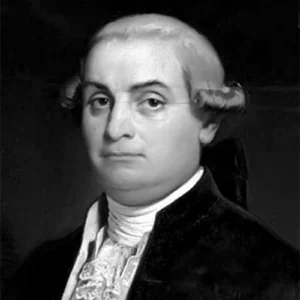
Jeremy Bentham was an English philosopher, jurist, and social reformer, best known as the founder of modern utilitarianism. His influential work An Introduction to the Principles of Morals and Legislation (1789) laid the foundations for a consequentialist ethics based on the principle of „the greatest happiness of the greatest number.“ Bentham believed that laws and punishments should be evaluated based on their utility and their capacity to produce pleasure or prevent pain.
In the field of criminology, Bentham’s ideas contributed significantly to the development of classical criminology and deterrence theory. He argued that punishment should be proportionate, predictable, and effective in deterring crime. Bentham also proposed the famous Panopticon, a circular prison design that would allow a single watchman to observe all inmates without them knowing whether they are being watched—a powerful metaphor for modern systems of surveillance and discipline.
Although some of his ideas have been criticized or modified over time, Bentham remains a pivotal figure in legal and political philosophy, as well as in the early development of criminological thought.