Explanation
Proportionality is a fundamental principle in law, sociology, criminology, and political philosophy stating that punishments and state interventions should correspond to the severity and harm of an offense. The concept is central to modern legal systems and aims to prevent excessive, arbitrary, or cruel punishments.
The principle became especially influential during the Enlightenment through thinkers such as Cesare Beccaria, who argued that punishments should be rational, predictable, and limited by law rather than driven by revenge or political power. According to Beccaria, excessively harsh punishments are neither just nor effective in preventing crime.
In criminal justice systems, proportionality influences sentencing, policing, imprisonment, and the use of state authority. Democratic legal systems generally seek to ensure that sanctions are fair, balanced, and consistent with the seriousness of criminal behavior.
The concept also plays an important role in debates about human rights, police violence, counterterrorism, surveillance, and punishment. Critics argue that disproportionate punishment can reinforce social inequality, discrimination, and state oppression.
In criminology, proportionality is closely connected to classical criminology, deterrence theory, procedural justice, and liberal theories of punishment. It remains a key principle in constitutional law and international human rights frameworks.
Theoretical Reference
Proportionality is closely associated with Classical Criminology and Enlightenment legal philosophy. Important contributions come from Cesare Beccaria, Jeremy Bentham, liberal legal theory, and modern constitutional law. The concept is related to deterrence theory, rule of law, human rights, and procedural justice.
Further Reading
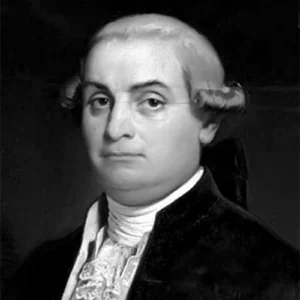
Classical Criminology
Classical criminology explains crime as the result of rational decision-making by free and responsible individuals. The Classical School of Criminology emphasizes deterrence, proportional punishment, and equality before the law as the foundation of modern criminal justice systems. Key Points Classical…

Deterrence theories
Deterrence theory explains crime as the result of rational decision-making, where individuals weigh the expected costs of punishment against the potential benefits of offending. The central aim of deterrence is to prevent crime by increasing the perceived risks associated with…