• Zur Hauptnavigation springen
  • Zum Inhalt springen
  • Zur Fußzeile springen

SozTheo

Sociology & Criminology for a Changing World

  • Sociology
    • Key Works in Sociology
    • Key Concepts in Sociology
  • Criminology
    • Key Works in Criminology
    • Key Concepts in Criminology
  • Theories of Crime
    • Classical & Rational Choice
    • Biological Theories of Crime
    • Social Structure & Anomie
    • Learning and Career
    • Interactionist & Labeling
    • Critical, Marxist & Conflict Theories
    • Control Theories
    • Cultural & Emotional
    • Space & Surveillance
  • Key Thinkers
  • Glossary
Home » Criminology

Criminology

Criminology is the interdisciplinary study of crime, its causes, manifestations, and the societal reactions to deviant behavior. It combines insights from sociology, law, psychology, political science, and philosophy to analyze both individual acts of deviance and the broader structures of social control. This section offers an overview of key criminological theories, foundational texts, and ongoing debates that shape the discipline.

Definition: Criminology is the academic discipline that studies the nature, causes, control, and consequences of criminal behavior in both individuals and society. It examines legal norms, deviance, punishment, and the functioning of institutions such as the police, the courts, and the prison system.

Topics covered in this section include:

  • Rational Choice and Deterrence
  • Anomie and Social Strain Theories
  • Interactionist and Labeling Approaches
  • Critical and Marxist Criminology
  • Cultural Criminology
  • Control and Surveillance Theories

Criminology is not only concerned with understanding why people commit crimes, but also with the social construction of deviance, the role of power in defining crime, and the impact of criminal justice systems on individuals and communities.

Explore the key works of influential criminologists such as Edwin Sutherland, David Garland, and Erving Goffman, and discover how contemporary criminology critically engages with issues of social inequality, neoliberalism, and governmentality.

Black and white photo of a magnifying glass placed over a laptop keyboard, symbolizing critical examination or investigation.

What is the best theory of crime?

Ten Blind Spots in Criminological Theory The quest for the “best” theory of crime is as old as the discipline itself. For more than 200 years, scholars have tried to explain why people break the law. But the more theories emerged, the clearer it became: no single theory fully explains crime. Many fall short, focus

continue …

Sanctions in Criminology

Sanctions are central to criminology as they represent society’s formal response to crime and deviance. They include a broad range of measures, from fines and community service to imprisonment and the death penalty. Sanctions not only aim to prevent and punish offending but also reflect deeper questions of justice, legitimacy, and social control. This article

continue …

Prisons, Imprisonment and Alternatives

Prisons are among the most visible and contested institutions of modern societies. They represent the state’s ultimate power to deprive individuals of liberty, justified in the name of justice, order, and security. Yet the prison is not a timeless or natural institution: it emerged historically under specific social, political, and cultural conditions. In criminology and

continue …

Black and white photo of a police line tape with the words ‘Police Line Do Not Cross’, symbolizing authority, control, and social order.

Policing and Social Order

Policing does not simply mean the police. While the police are the most visible and influential agents of policing, the term refers more broadly to the diverse practices and institutions through which authority is exercised to maintain security, enforce laws, and regulate everyday life. Social order, in turn, describes the stability of social interactions, guided

continue …

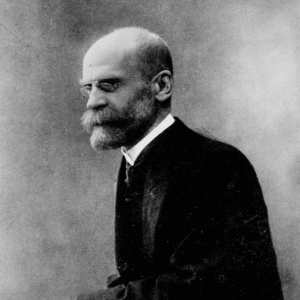
Portrait: Émile Durkheim

Émile Durkheim – The Rules of Sociological Method (1895)

Émile Durkheim’s The Rules of Sociological Method (1895) marks a milestone in establishing sociology as an autonomous, empirical discipline. While earlier approaches were often philosophical or speculative, Durkheim formulated the foundations for systematic research based on observable, verifiable data. The work remains central for understanding the scientific core of sociology and the role of objective

continue …

Myths about crime

12 Myths about Crime

Crime is a highly emotional topic. Media reports, political debates, and everyday conversations create images of crime that are often distorted or exaggerated. Criminology, however, shows that many of these perceptions are myths. The following section presents twelve widespread myths about crime and critically discusses them.

Seitennummerierung der Beiträge

1 2 3 … 6 Next »

Footer

About SozTheo

SozTheo is a personal academic project by Prof. Dr. Christian Wickert.

The content does not reflect the official views or curricula of HSPV NRW.

SozTheo.com offers clear, accessible introductions to sociology and criminology. Covering key theories, classic works, and essential concepts, it is designed for students, educators, and anyone curious about social science and crime. Discover easy-to-understand explanations and critical perspectives on the social world.

Looking for the German version? Visit soztheo.de

Legal

  • Impressum

Explore

  • Sociology
    • Key Works in Sociology
    • Key Concepts in Sociology
  • Criminology
    • Key Works in Criminology
    • Key Concepts in Criminology
  • Theories of Crime
  • Key Thinkers
  • Glossary

Meta

  • Anmelden
  • Feed der Einträge
  • Kommentar-Feed
  • WordPress.org

© 2025 · SozTheo · Admin