• Zur Hauptnavigation springen
  • Zum Inhalt springen
  • Zur Fußzeile springen

SozTheo

Sociology & Criminology for a Changing World

  • Sociology
    • Theories
    • Key Works in Sociology
    • Key Concepts in Sociology
  • Criminology
    • Key Works in Criminology
    • Key Concepts in Criminology
  • Theories of Crime
    • Classical and Rational Choice Theories of Crime
    • Biological Theories of Crime
    • Social Structure & Anomie
    • Learning and Career
    • Interactionist & Labeling
    • Critical, Marxist & Conflict Theories
    • Control Theories
    • Cultural & Emotional
    • Space & Surveillance
  • Key Thinkers
  • Glossary
Home » Classical criminology

Classical criminology

Black-and-white image of a public security box with video surveillance warning signs, symbolizing deterrence, monitoring, and situational crime prevention in rational choice theory.

Classical and Rational Choice Theories of Crime

Classical and Rational Choice Theories Classical and rational choice theories explain crime as the result of purposeful decision-making by individuals who weigh opportunities, risks, rewards, and situational conditions. These approaches assume that people are capable of choosing between lawful and unlawful behavior and that criminal acts emerge within concrete social situations rather than from deterministic

continue …

Statue of Lady Justice holding balanced scales against a light sky

Theories of Crime

Theories of crime are scientific theories that provide individual or societal explanations for normative deviant behaviour. But what exactly constitutes a scientific theory? What is a theory? The sciences are concerned with theories. But what exactly is a theory? Of course, we all have an idea of what a theory is. In our everyday life

continue …

Gallows as a symbol for criminological deterrence theories

Deterrence theories

Deterrence theory explains crime as the result of rational decision-making, where individuals weigh the expected costs of punishment against the potential benefits of offending. The central aim of deterrence is to prevent crime by increasing the perceived risks associated with criminal behavior. Key Points Deterrence Theory Main Proponents: Cesare Beccaria, Jeremy Bentham, Franz von Liszt,

continue …

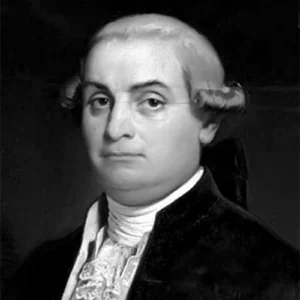
Portrait of Ceasre Beccaria – founding father of criminology

Classical Criminology

Classical criminology explains crime as the result of rational decision-making by free and responsible individuals. The Classical School of Criminology emphasizes deterrence, proportional punishment, and equality before the law as the foundation of modern criminal justice systems. Key Points Classical Criminology Main Proponents: Cesare Beccaria, Jeremy Bentham, John Howard, Samuel Romilly, John Anselm von Feuerbach,

continue …

Footer

About SozTheo

SozTheo is a personal academic project by Prof. Dr. Christian Wickert.

The content does not reflect the official views or curricula of HSPV NRW.

SozTheo.com offers clear, accessible introductions to sociology and criminology. Covering key theories, classic works, and essential concepts, it is designed for students, educators, and anyone curious about social science and crime. Discover easy-to-understand explanations and critical perspectives on the social world.

Looking for the German version? Visit soztheo.de

Legal

  • Impressum

Explore

  • Sociology
    • Key Works in Sociology
    • Key Concepts in Sociology
  • Criminology
    • Key Works in Criminology
    • Key Concepts in Criminology
  • Theories of Crime
  • Key Thinkers
  • Glossary

Meta

  • Anmelden
  • Eintrags-Feed
  • Kommentar-Feed
  • WordPress.org

© 2026 · SozTheo · Admin